


Department of Management Information Systems
Revolutionary is just the beginning.
Consistently ranking among the top five in the nation, the Eller Department of Management Information Systems is leading its field—and revolutionizing every step of the way.
Featured Program
Department Research
Here, research goes beyond groundbreaking. Our world-renowned research brings MIS faculty and students together to change the world through labs and centers like the Center for the Management of Information, INSITE: Center for Business Intelligence and Analytics and the Artificial Intelligence Lab—the only lab of its kind in a business school in the U.S.
Featured Program
Online MIS Graduate Certificates
Get a valuable professional credential from our top-ranked program. Not only will the certificate build skills that directly apply to your line of work, but your resume will stand out among recruiters. Choose between Business Intelligence and Analytics or Enterprise Security, completing three courses in as little as five months, all online.

In Eller, students gain more than technical and professional training for their chosen career, but also gain a strong sense of community and service through various clubs, honor societies and community outreach. Helping our students develop skills, insight and empathy so they can be great leaders and colleagues in whatever vocation or activity they choose to pursue is an important outcome for making meaningful change in the world.
Joe Valacich, Eller Professor of Management Information Systems
Our MIS Academic Programs
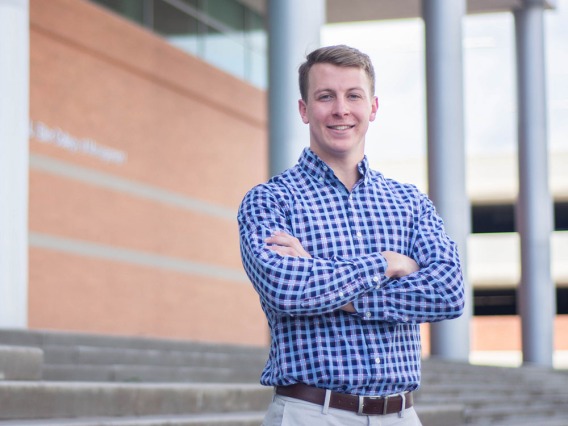
The fourth industrial revolution is upon us, and it hinges on the intersection of business and technology. An MIS or operations management major from our top-ranked MIS program can land you a career with lasting impact.
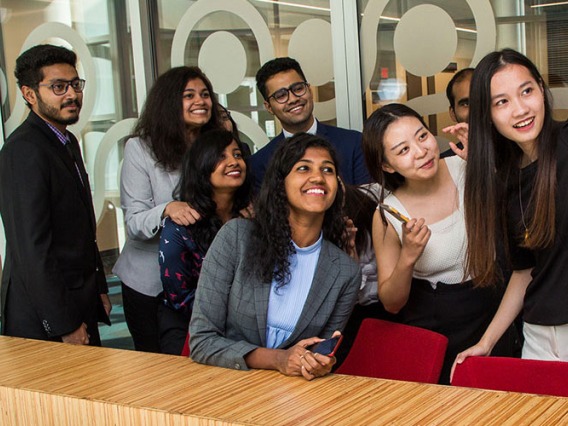
Solve the most pressing problems in business by serving as the expert who bridges the gap to IT. You’ll gain more than technical skills and hands-on experience with master’s programs in MIS (both on-ground and online), business analytics and cybersecurity (online).

Rise to the top of your field in a pioneering department that brings in more research funding than any other MIS department in the world. Working alongside faculty mentors, you’ll develop critical skills and perform cutting-edge research at the forefront of MIS academics.
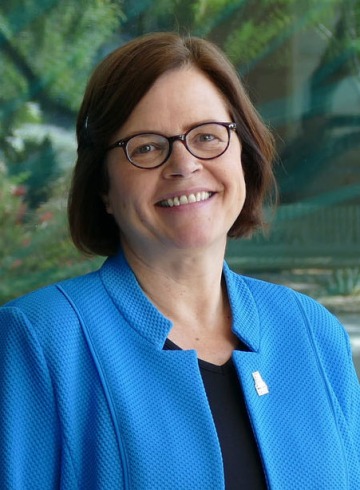
Invest in students. In academics. And in the future of IT.
Through generous contributions from friends, alumni and industry partners who are committed to our success, the MIS Department remains one of the best in the nation. Your support maintains this momentum and amplifies our impact through entire industries and fields. Thanks to you, our faculty and students will continue to lead.
Meet MIS Students, Alumni and Faculty
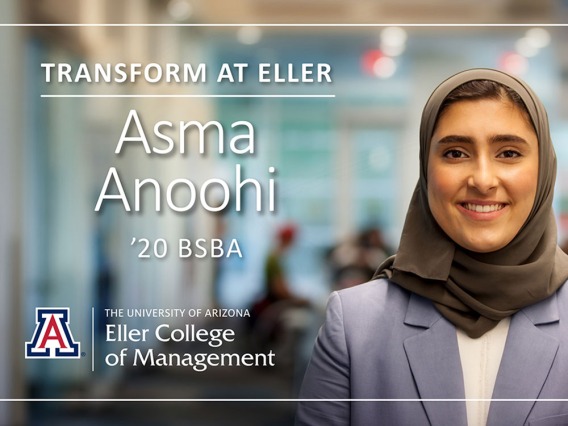
Asma Anoohi '20 BSBA (MIS, Marketing and Entrepreneurship) took a leap of faith and traveled halfway across the globe to attend Eller. She took this transition in stride and is an incredible young leader in the Eller community!
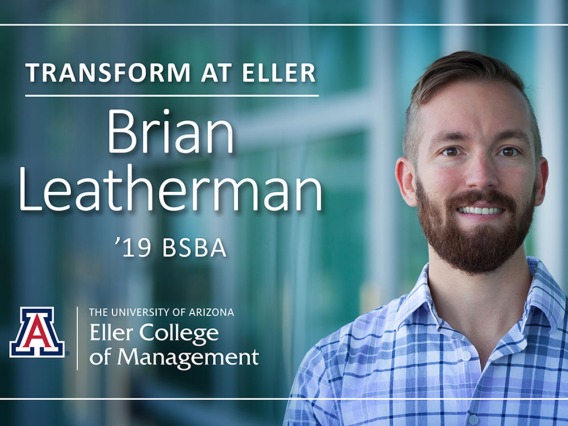
Brian Leatherman '19 BSBA (MIS) decided to return to school after serving in the military. After starting his college career feeling like an outsider, he found his place in the University of Arizona community by supporting other student veterans.
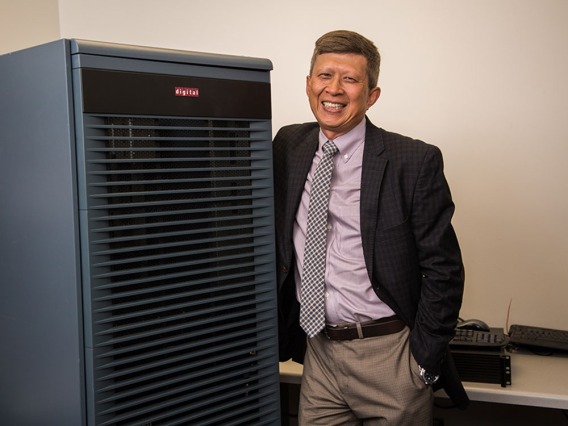
Hsinchun Chen might have your credit card data. What’s he doing with it? He’s trying to understand the way hackers and cyberterrorists work so that—someday—it’s far harder for them to get your credit card data.
Explore Our Centers and Lab
Artificial Intelligence Laboratory
The only lab of its kind within a business school in the U.S., our AI Lab looks at problems differently to uncover revolutionary solutions and insights in everything from cybersecurity to health informatics to business intelligence.
Center for the Management of Information
By researching the art and science of collaboration, CMI is changing the way people work and communicate. A global leader, it brings dynamic interdisciplinary teams together to solve problems that are equally essential and challenging.
INSITE: Center for Business Intelligence and Analytics
Big data is more than a buzzword. It’s a critical resource that differentiates leaders from followers. Learn how the center uses scaling techniques for data analysis from any source imaginable—then translates hard numbers into world-changing insights.
View all six MIS research centers and labs:
News
Contact Us
By Phone
520-621-2748 office
520-626-7334 fax
By Email
General Inquiries
contactmis@eller.arizona.edu
Corporate Inquiries
wwienhoff@email.arizona.edu
By Mail
McClelland Hall 430
The University of Arizona
P.O. Box 210108
Tucson, AZ 85721-0108